How to cut food waste at home
Updated · 6 min read
A big share of the food we buy at home ends up in the trash - usually not from one big mistake, but from a bag of spinach here and half a tub of sour cream there. The fixes are small habits, and they pay off in money as much as in less waste.
Where waste comes from
- Buying more than gets eaten, especially fresh produce.
- Forgetting what's there - leftovers at the back of the fridge, meat at the bottom of the freezer.
- Plans changing: a dinner out, and the fish never gets cooked.
- Misreading dates and throwing out food that was still fine.
Ten habits that cut it
- Shop your kitchen first. Look before you list, and plan meals around what needs using.
- Buy fresh food for the meals you've planned, not for the meals you hope to make. Frozen vegetables cover the rest.
- First in, first out. Put new groceries behind the old ones.
- Make an "eat this first" spot - one shelf or bin in the fridge for things that need using soon.
- Understand the dates. "Best by" and "best if used by" are about quality, not safety; many foods are fine past them. "Use by" matters more, especially for meat and dairy.
- Freeze before it turns. Bread, ripe bananas, cooked rice, grated cheese, meat close to its date, and leftovers you won't eat in three days all freeze well.
- Store produce well. Herbs in a glass of water, greens wrapped in a towel in a container, and apples away from other fruit (they ripen everything near them).
- Plan a leftovers night once a week.
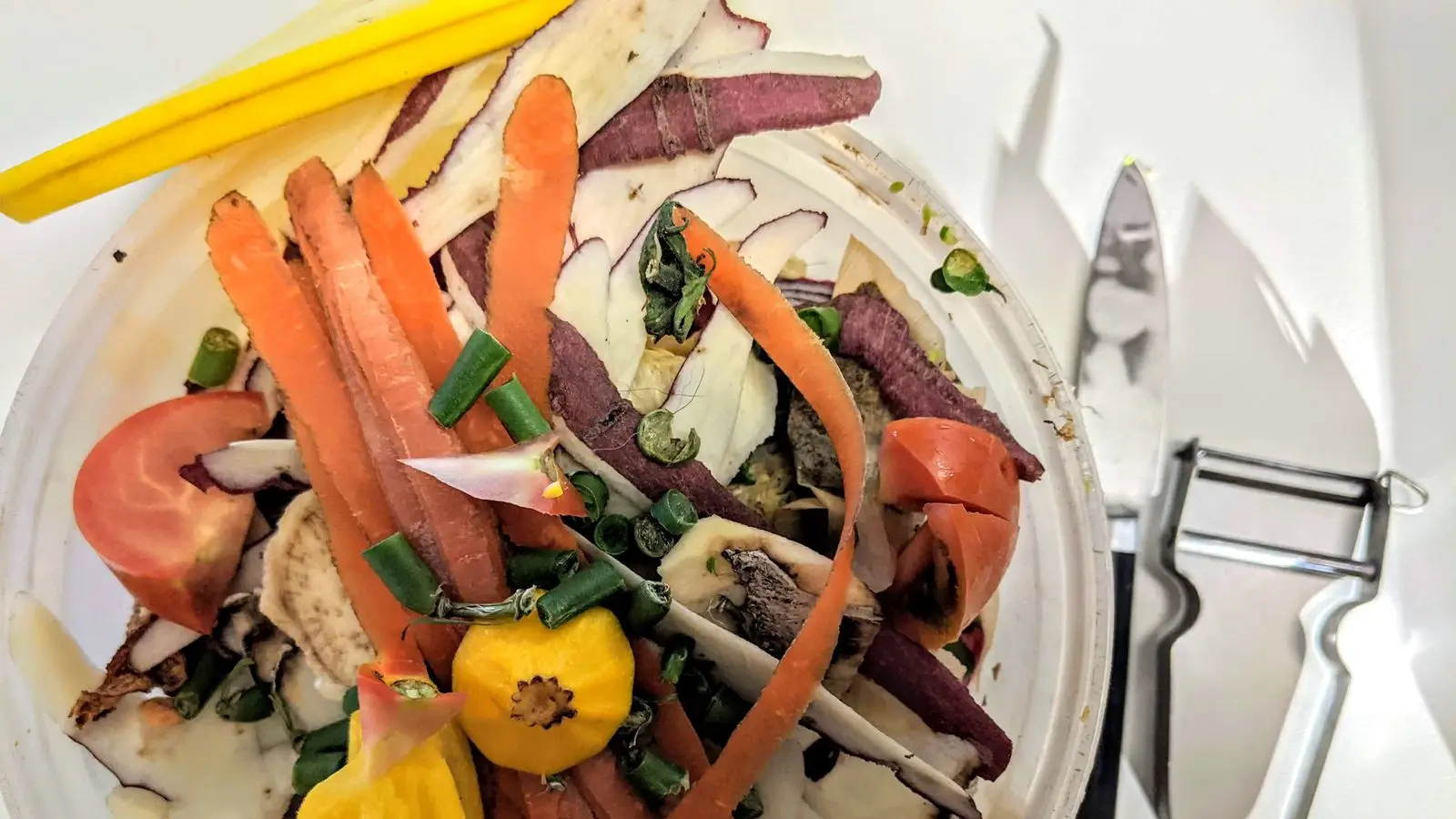
- Cook with scraps. Vegetable ends make stock; stale bread makes croutons; soft fruit goes in smoothies or baking.
- Keep track of what you throw out. A week of noting what went in the trash shows exactly what to buy less of.
Track it for a month
Write down what you toss and roughly what it cost. Most households find the same three or four things on the list every week - and once you can see them, you buy them in smaller amounts or freeze them sooner. Watching the total drop is surprisingly motivating.
More guides
- Best by, use by, sell by: what food date labels really meanWhat "best if used by", "use by", "sell by" and "freeze by" actually mean, which one matters for safety, and how to tell if food past its date is still good.
- How to organize your fridge so food lasts longerWhich shelf is coldest, where raw meat belongs, what the crisper drawer settings do, and the right temperature - a simple fridge layout that keeps food safe and fresh.
- How long food lasts in the fridge and freezerA quick chart of how long meat, fish, leftovers, eggs and dairy keep in the fridge and freezer, based on USDA guidance, plus the rules that keep it safe.