
How long food lasts in the fridge and freezer
Updated · 6 min read
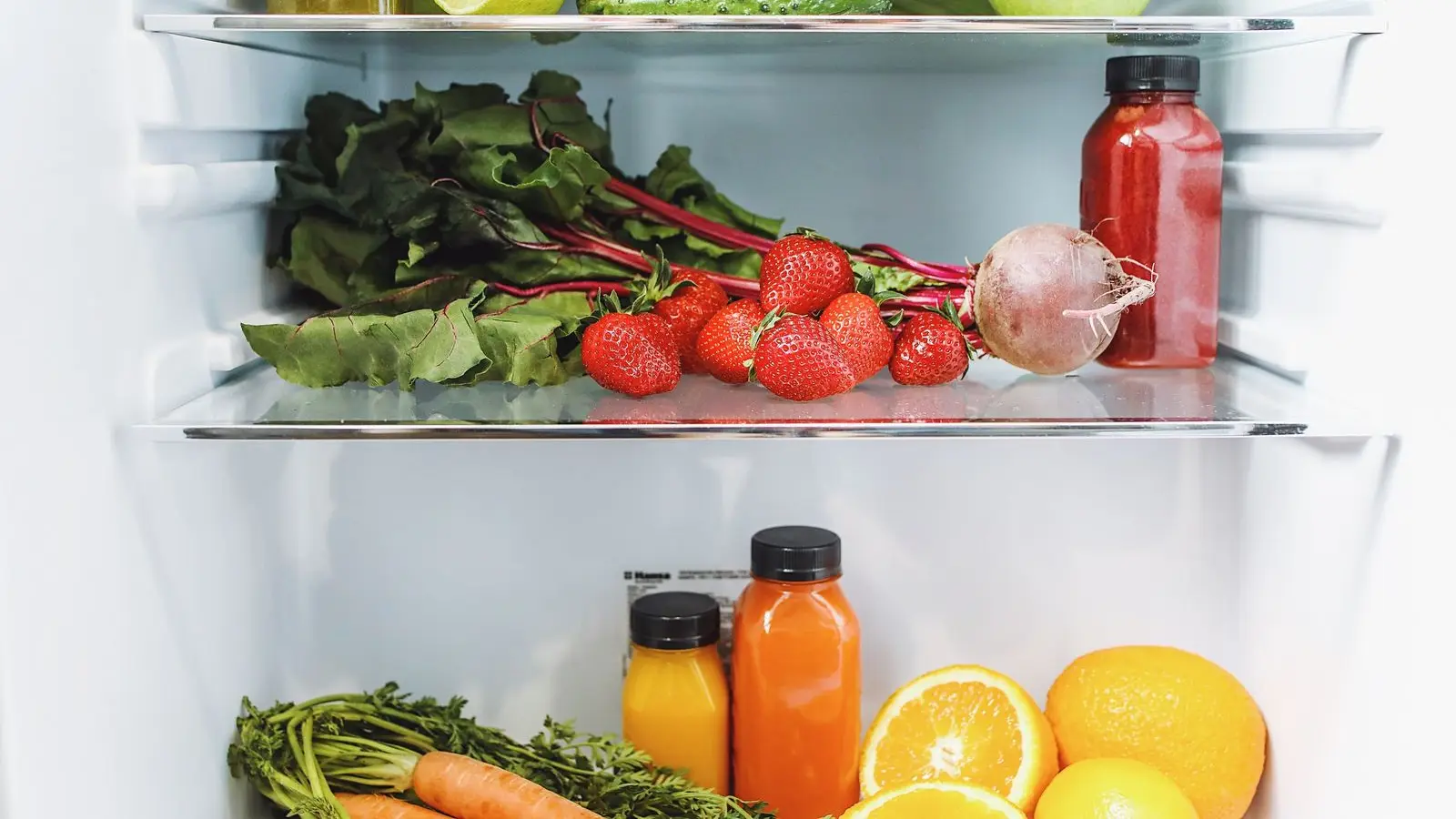
"Is this still good?" is one of the most common kitchen questions. The times below come from the U.S. Department of Agriculture's food storage guidance. They assume your fridge is at 40°F (4°C) or colder and your freezer at 0°F (-18°C). A cheap appliance thermometer is the easiest way to check both.
Two things to know first
- Fridge times are about safety. Bacteria still grow slowly in the fridge, so these limits matter - especially for raw meat, fish and leftovers.
- Freezer times are about quality. Food kept frozen at 0°F stays safe indefinitely, but it gets dry, tough and freezer-burned over time. Past these times it's still safe to eat; it just won't taste as good.
Meat and poultry
| Food | Fridge / Freezer |
|---|---|
| Raw ground beef, pork, chicken or turkey | 1–2 days / 3–4 months |
| Raw steaks | 3–5 days / 6–12 months |
| Raw chops | 3–5 days / 4–6 months |
| Raw roasts | 3–5 days / 4–12 months |
| Raw chicken or turkey pieces | 1–2 days / 9 months |
| Raw whole chicken or turkey | 1–2 days / 1 year |
| Bacon | 7 days / 1 month |
| Hot dogs, opened package | 1 week / 1–2 months |
| Lunch meat, opened package | 3–5 days / 1–2 months |
Fish
| Food | Fridge / Freezer |
|---|---|
| Raw lean fish (cod, tilapia, flounder) | 1–2 days / 6–8 months |
| Raw fatty fish (salmon, mackerel) | 1–2 days / 2–3 months |
| Cooked fish | 3–4 days / 4–6 months |
Leftovers
| Food | Fridge / Freezer |
|---|---|
| Cooked meat or poultry | 3–4 days / 2–6 months |
| Soups and stews | 3–4 days / 2–3 months |
| Casseroles and other cooked dishes | 3–4 days / 2–3 months |
| Pizza | 3–4 days / 1–2 months |
Eggs and dairy
| Food | Fridge / Freezer |
|---|---|
| Raw eggs in the shell | 3–5 weeks / don't freeze in the shell |
| Hard-boiled eggs | 1 week / don't freeze well |
| Milk, once opened | about 1 week / about 3 months |
| Hard cheese (cheddar, Parmesan), opened | 3–4 weeks / about 6 months |
| Yogurt | 1–2 weeks / 1–2 months |
Frozen milk and cheese are best for cooking afterward - they separate or crumble once thawed, but taste fine in a sauce or a bake.
The rules that keep it safe
- Two hours, then the fridge. Don't leave cooked food or anything perishable out longer than 2 hours - 1 hour if it's above 90°F, like at a picnic.
- Cool big batches fast. Split soups and stews into shallow containers so they chill quickly, instead of one deep pot.
- Thaw in the fridge, in cold water (changed every 30 minutes) or in the microwave - never on the counter.
- Reheat leftovers to 165°F (74°C), until steaming hot all the way through.
- Count from when it was cooked or opened, not from the date on the package.
- When in doubt, throw it out. Many of the germs that cause food poisoning don't change how food looks or smells.
For the full list, see the cold food storage chart on FoodSafety.gov.
More guides
- Best by, use by, sell by: what food date labels really meanWhat "best if used by", "use by", "sell by" and "freeze by" actually mean, which one matters for safety, and how to tell if food past its date is still good.
- How to organize your fridge so food lasts longerWhich shelf is coldest, where raw meat belongs, what the crisper drawer settings do, and the right temperature - a simple fridge layout that keeps food safe and fresh.
- How to organize a deep freezerZones, labels and a simple list that keep a chest or upright freezer usable - plus how long frozen food keeps its quality.