
How to build a 3-month food supply
Updated · 6 min read
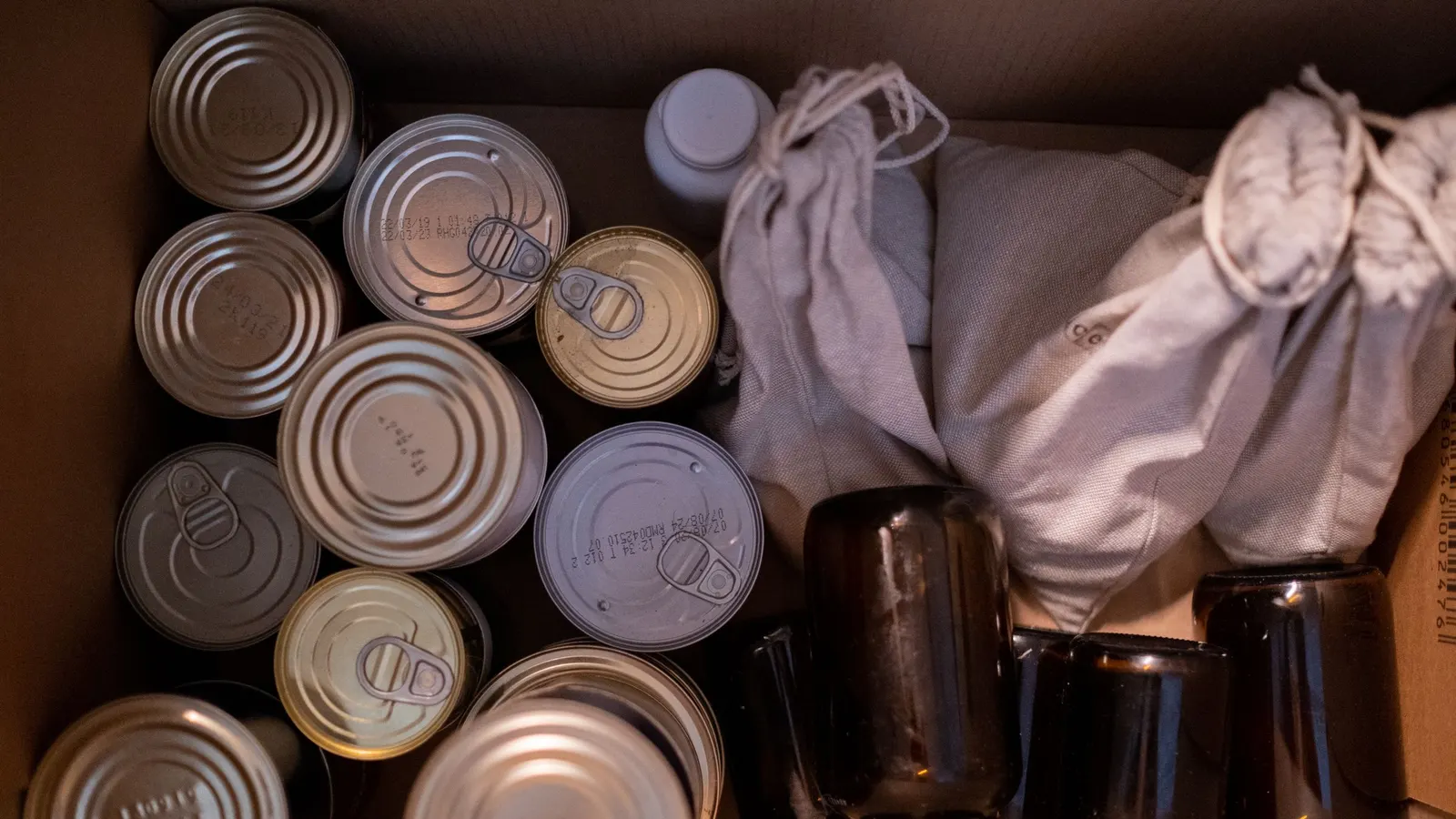
A three-month supply is enough of your normal food to get by for about 90 days without shopping. Because it's food you already eat, nothing goes to waste: you use it and replace it in the course of normal life.
Step 1: Write down a week of meals
List 7 breakfasts, lunches and dinners your household actually eats and that can be made mostly from shelf-stable food: spaghetti with jarred sauce, chili, oatmeal, rice and beans, tuna casserole, soup and crackers, pancakes.
Step 2: Turn it into a shopping list
- For each meal, write the ingredients and amounts for your household.
- Add them up for the week.
- Multiply by 13 for three months.
If chili night uses 2 cans of beans and you have it once a week, that's 26 cans of beans for three months.
Step 3: Buy a little at a time
- Add a few extra items to every grocery trip instead of buying it all at once.
- Stock up when things you use are on sale.
- Start with one week, then two weeks, then a month.
A starter checklist
Pantry basics
- Rice
- Pasta
- Oats
- Flour
- Sugar
- Salt
- Cooking oil
- Peanut butter
- Powdered or shelf-stable milk
- Baking powder and soda
Canned and jarred
- Beans
- Tuna or chicken
- Soup
- Tomatoes and sauce
- Vegetables
- Fruit
- Broth
- Pasta sauce
Don't forget
- Water: 1 gallon per person per day
- Spices and seasonings
- Coffee or tea
- Baby food or formula
- Pet food
- Can opener (manual)
Keep it fresh
- Put new purchases behind the old ones, and cook from the front.
- Canned fruit and tomatoes are best within 12 to 18 months; most other canned food within 2 to 5 years.
- Check the supply every few months and move anything getting old into this week's meals.
More guides
- Long-term food storage for beginnersWhich foods keep for years, how to pack them (buckets, Mylar bags, oxygen absorbers) and where to keep them - a plain-English start to long-term food storage.
- How to rotate your food storage (first in, first out)Rotating food storage keeps it fresh and stops waste: first in, first out, dating everything, cooking from storage every week and checking it a few times a year.
- Pantry inventory checklistA printable pantry checklist by category - baking, grains, canned goods, oils, spices and more - plus how to take stock in 20 minutes and keep it up.