
How to organize a basement food storage room
Updated · 5 min read
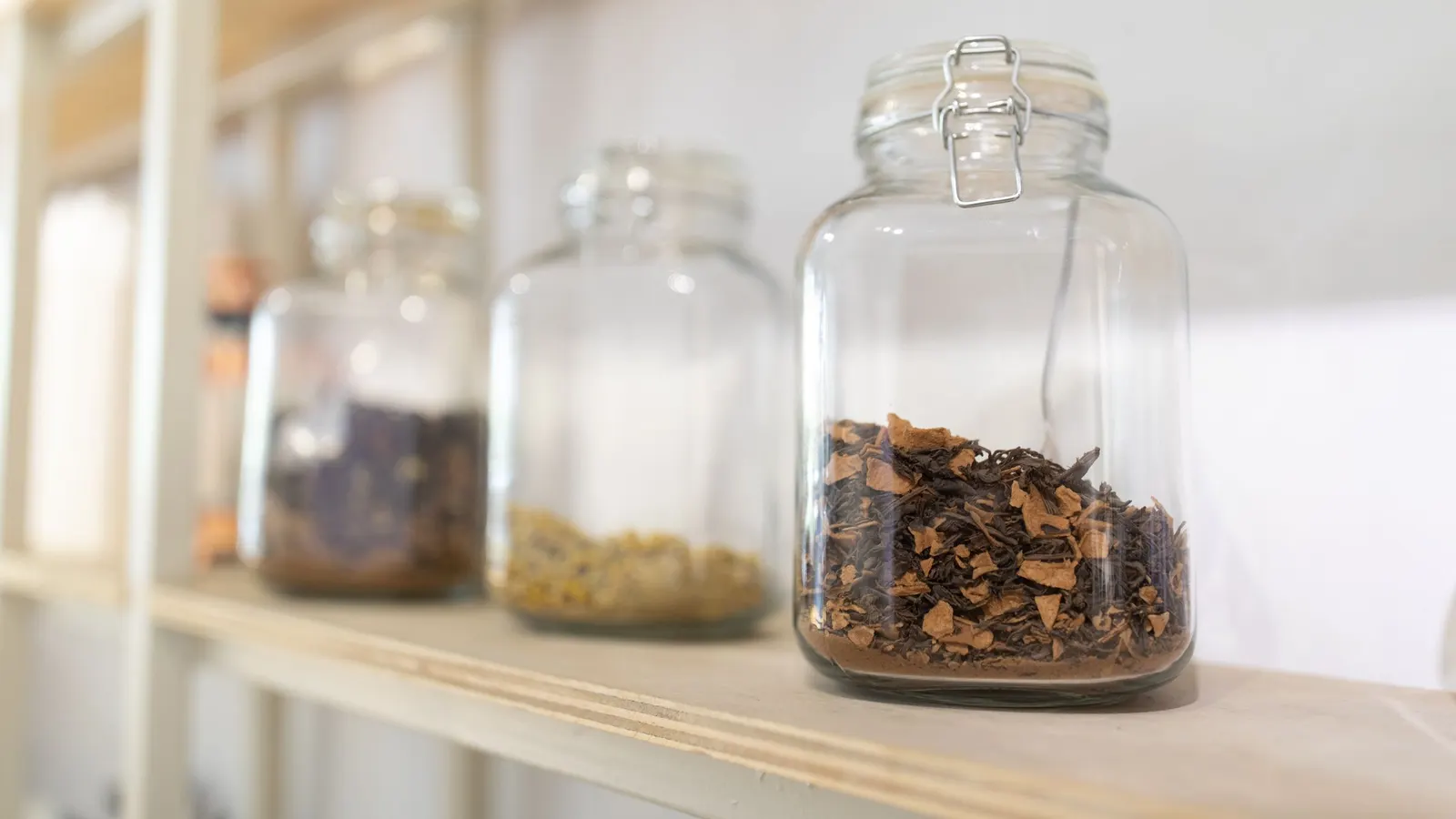
A storage room only helps if you can find things in it and use the oldest first. A little planning up front saves a lot of digging later.
Check the space first
- Temperature: cooler is better. Keep food away from the furnace and water heater.
- Humidity: a cheap humidity monitor tells you if it's damp. If it often reads over about 60%, a dehumidifier protects cans from rust and dry food from going soft.
- Water: nothing on the floor if the basement has ever flooded.
- Pests: seal gaps and keep food in bins, buckets or cans.
Shelving
- Sturdy metal shelving holds the weight of cans and buckets. Keep the bottom shelf a few inches off the floor.
- Heavy buckets low, lighter boxes higher.
- Can rotation racks load from the top and roll the oldest can to the front.
- Leave room to walk and to reach the back of every shelf.
Give every shelf a name
Number the shelving units and shelves - "Unit A, shelf 1" - and put a label on each. Then you can write down where something is, and anyone in the house can find it.
Zones that make sense
- Canned food by type: vegetables, fruit, beans, meat, soup.
- Dry staples in buckets: rice, beans, oats, wheat, sugar.
- Home-canned jars on their own shelf, labeled with the year.
- Water on the bottom, where it's heaviest and spills do least harm.
- Non-food - paper goods, batteries, first aid - on a separate unit.
Make a map
Tape a list to the door, or keep it on your phone: what's on each shelf and how much. It answers "do we have any more...?" without a trip downstairs, and makes it obvious what's running low.
As an Amazon Associate, InventoryImp earns from qualifying purchases made through links on this page. It doesn't change the price you pay.
More guides
- How to rotate your food storage (first in, first out)Rotating food storage keeps it fresh and stops waste: first in, first out, dating everything, cooking from storage every week and checking it a few times a year.
- Long-term food storage for beginnersWhich foods keep for years, how to pack them (buckets, Mylar bags, oxygen absorbers) and where to keep them - a plain-English start to long-term food storage.
- Pantry organization ideas that actually lastPractical pantry organization ideas for any size pantry or cupboard: zones, the right containers, labels, risers and bins - and the habits that keep it from turning back into a mess.