Meal prep for beginners
Updated · 7 min read
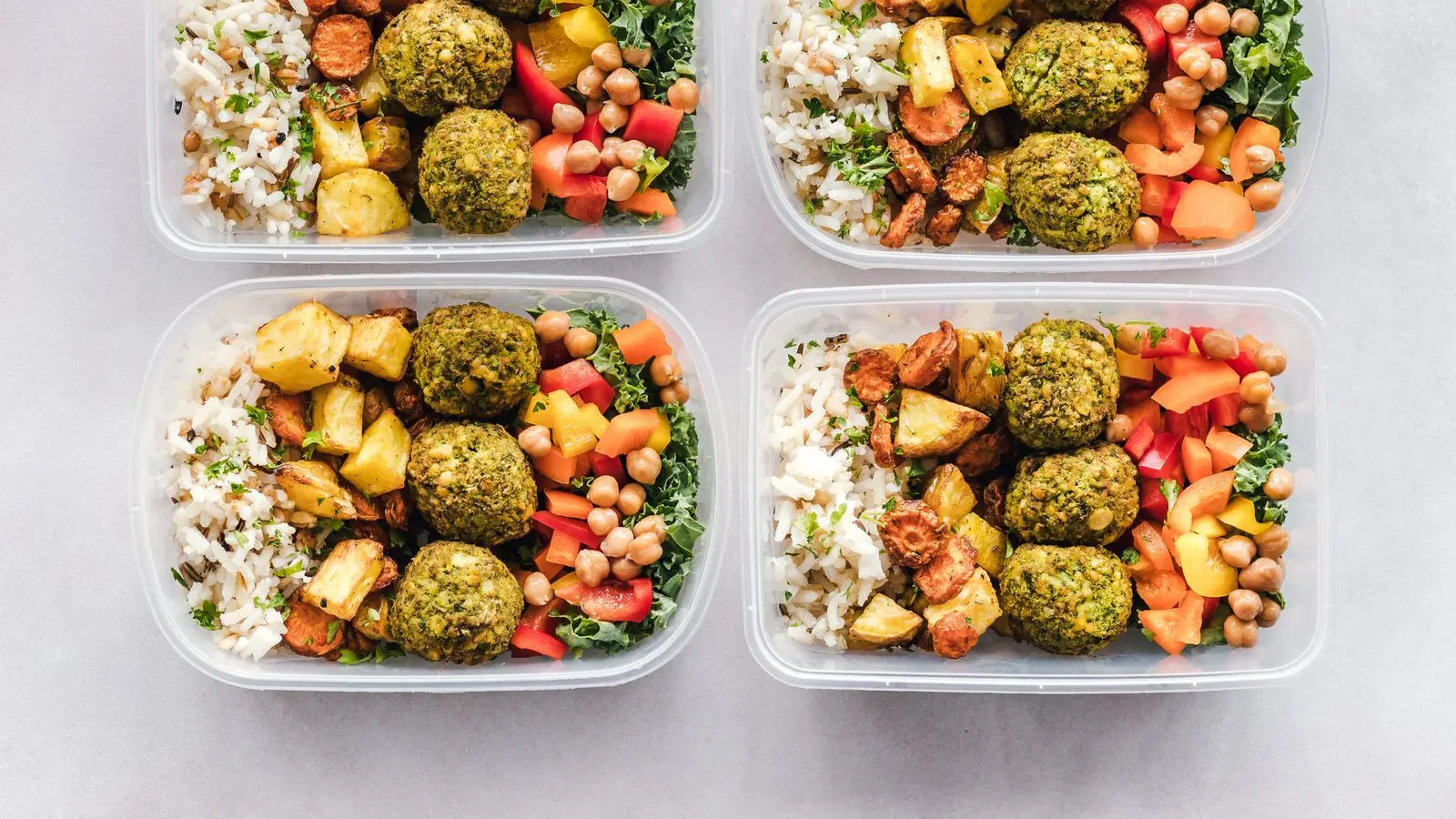
Meal prep just means doing some of the week's cooking ahead of time, so weeknights are faster and takeout is less tempting. It doesn't have to mean 20 identical containers of chicken and rice. Start small: one or two hours, and a few things done ahead.
Three ways to prep - pick one
- Ingredient prep: wash and chop vegetables, cook a pot of grains, and cook one or two proteins. Each night you put a different meal together from the parts. The most flexible, and the easiest to start with.
- Batch cooking: make one or two big recipes - a chili, a pasta bake, a soup - and eat them across the week or freeze some.
- Ready-to-go meals: full meals portioned into containers. Best for lunches and busy weeks when you don't want to think at all.
A two-hour starter plan
- Start the slow things first. Put a pot of rice or quinoa on, and a sheet pan of chicken thighs or chickpeas in the oven at 425°F (220°C).
- Roast vegetables while the oven's hot. Broccoli, sweet potatoes, peppers and onions on a second pan, with oil and salt, about 25–35 minutes.
- Chop the raw stuff. Carrots, cucumbers and peppers for snacks and salads; onions for the week's cooking.
- Make one sauce - a vinaigrette, a peanut sauce or a yogurt sauce - so the same parts taste different from night to night.
- Hard-boil a few eggs for breakfasts and snacks.
- Cool, pack and label. Let food cool in shallow containers, then into the fridge within two hours of cooking.
That gives you the parts for grain bowls, wraps, salads, fried rice and a quick stir-fry - five different dinners from one session.
How long prepped food keeps
| Prepped food | In the fridge |
|---|---|
| Cooked chicken, meat or fish | 3–4 days |
| Cooked grains, soups and stews | 3–4 days |
| Hard-boiled eggs | 1 week |
| Chopped raw vegetables | about 3–5 days |
| Dressings and sauces | about 1 week |
That's why many people prep twice a week - Sunday and Wednesday - or freeze the portions for the end of the week and move them to the fridge the night before.
Containers worth having
- Glass containers go from fridge to microwave and don't stain.
- Deli-style quart and pint containers stack well and are cheap enough for soups and to send leftovers home with guests.
- Masking tape and a marker for labels: what it is and the date it was made.
Tips that keep it going
- Prep what you'll actually eat - start with meals you already make.
- Keep sauces and crunchy toppings separate until you eat, so nothing gets soggy.
- Don't prep every meal. Four or five dinners is plenty; leave room for leftovers.
As an Amazon Associate, InventoryImp earns from qualifying purchases made through links on this page. It doesn't change the price you pay.
More guides
- Freezer meal prep: batch cooking that freezes wellWhich meals freeze well and which don't, how to cool, pack and label them, and how to thaw and reheat safely - so a few hours of cooking feeds you for weeks.
- How to plan a week of meals around what you already haveA simple weekly routine: check what's expiring, plan meals that use it, fill the gaps with pantry staples, and shop only for what's missing.
- How long food lasts in the fridge and freezerA quick chart of how long meat, fish, leftovers, eggs and dairy keep in the fridge and freezer, based on USDA guidance, plus the rules that keep it safe.