
Choosing a barcode scanner for home inventory
Updated · 5 min read
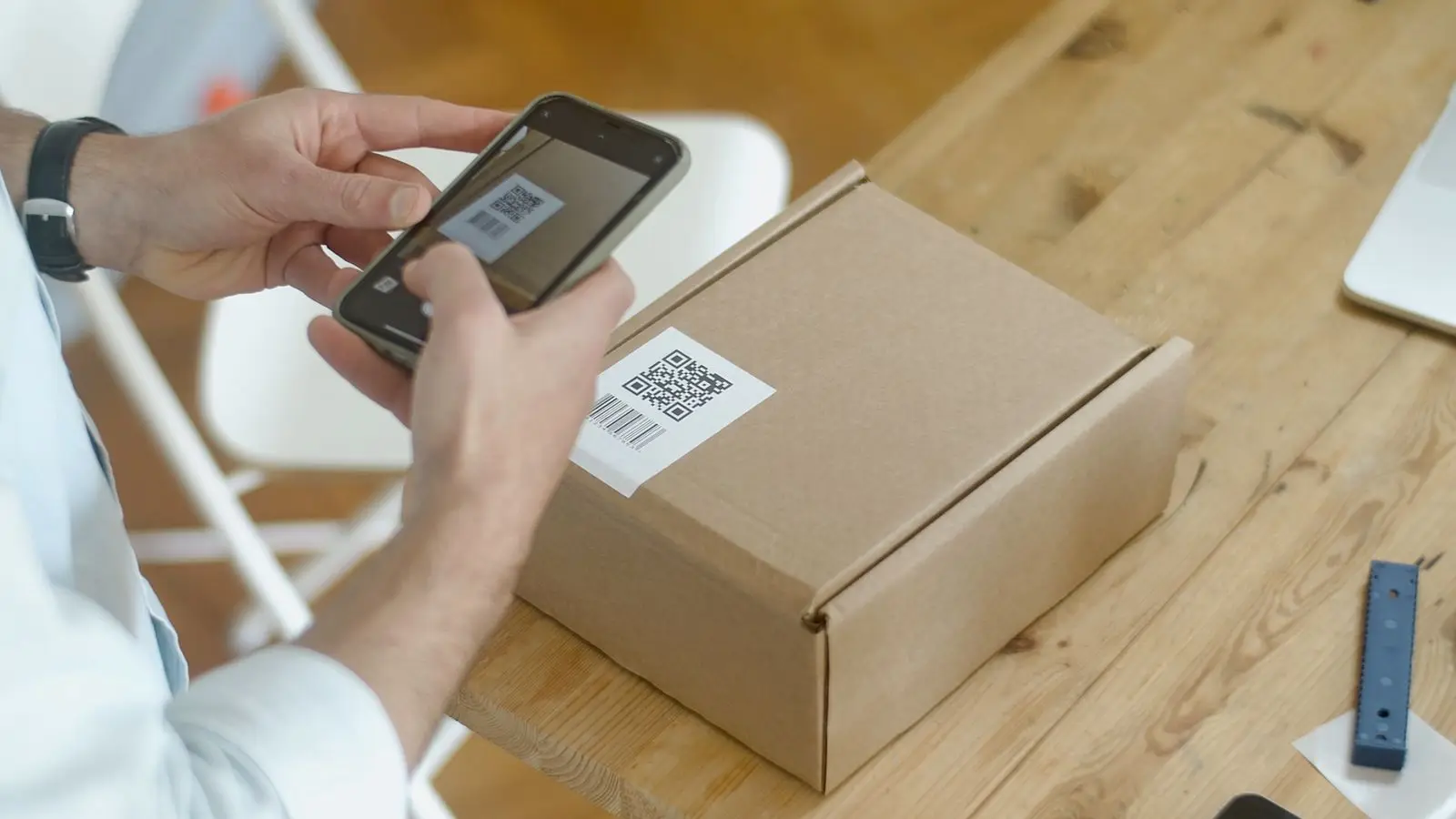
If you're adding a whole pantry, a handheld barcode scanner makes it go much faster: point, beep, next. But you may not need one at all. Here's how to decide, and what to look for if you buy one.
Your phone might be enough
A phone camera handles a few items at a time well. A dedicated scanner is worth it when you're entering a lot at once - stocking up, a first full inventory, or after every big shop - because it reads instantly, from different angles, and doesn't need the screen.
What to look for
- Bluetooth with "keyboard" (HID) mode. This is the important one. The scanner acts like a keyboard: it types the barcode digits and presses Enter into whatever box is selected - so it works with websites and apps without any special software. Most consumer Bluetooth scanners support it.
- Works with your devices. Check it pairs with iPhone, Android or your computer, whichever you'll use.
- 1D is enough for groceries. Food packages use regular (1D) barcodes. A 2D scanner also reads QR codes, which you may not need.
- Battery and range. A rechargeable battery and enough range to reach from the pantry to where your phone or laptop sits.
- Offline or "inventory" mode is a nice extra: it stores scans and sends them all at once later.
Browse: Bluetooth barcode scanners · scanners that work with iPhone and Android
Using one with InventoryImp
- Pair the scanner with your phone or computer (in Bluetooth settings).
- In InventoryImp, tap Scan, and click into the barcode box once.
- Scan. The item appears filled in from the product databases - tap OK, and the box is ready for the next scan.
As an Amazon Associate, InventoryImp earns from qualifying purchases made through links on this page. It doesn't change the price you pay.
More guides
- Pantry inventory checklistA printable pantry checklist by category - baking, grains, canned goods, oils, spices and more - plus how to take stock in 20 minutes and keep it up.
- How to stop buying duplicate groceriesWhy we keep buying things we already have, and seven simple habits - from shopping your pantry first to one shared household list - that stop it.
- How to organize your spices (and know when they're too old)Simple ways to organize a spice cabinet or drawer so you can find what you need, how long spices keep their flavor, and how to stop buying the same jar twice.