How to stop buying duplicate groceries
Updated · 5 min read
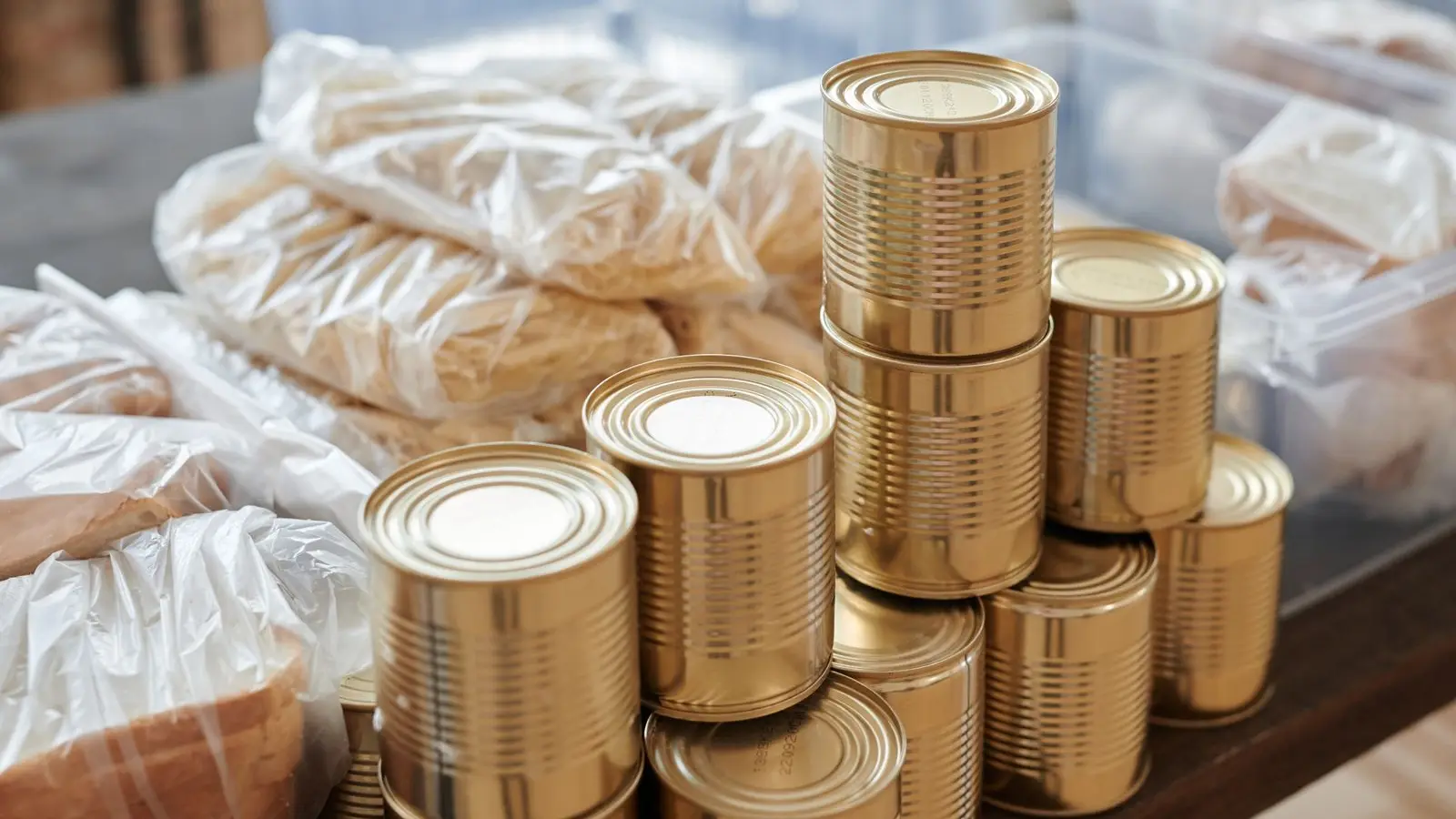
Two bottles of soy sauce, four cans of chickpeas, a third jar of cumin. Buying what you already have wastes money and shelf space, and the extras often expire before they're used. It usually comes down to a few causes - and a few habits fix them.
Why it happens
- You can't see it: things get pushed to the back of a deep shelf or freezer.
- You're shopping from memory, and memory says "I think we're out."
- More than one person shops, and nobody knows what the other bought.
- "Just in case" buying, especially when something's on sale.
Seven habits that stop it
- Shop your pantry first. Before writing a list, look at what you have and plan a few meals around it.
- Keep one list for the whole household. One shared list, added to as things run low, means nobody buys the same thing twice.
- Make things visible. Clear bins, labels, and risers on deep shelves. Put new purchases behind the old ones (first in, first out).
- Only write what's actually low. "Eggs" on the list should mean you checked and there are two left - not that eggs are a staple.
- Give staples a "buy more at" point. Decide you restock rice when there's one bag left, and only then.
- Keep a running inventory. Even a rough one beats memory, and it's what makes the other habits easy.
- Check before you grab a deal. A sale is only a saving if you'll use it before it expires.
More guides
- How to share a grocery list with your householdOne list everyone adds to, a few ground rules so it stays useful, and how to keep the things you'd rather not share off the household list.
- How to save money on groceries without clipping couponsTwelve practical ways to spend less at the grocery store - from shopping your own kitchen first to unit prices and store brands - that don't take hours of coupon cutting.
- Pantry inventory checklistA printable pantry checklist by category - baking, grains, canned goods, oils, spices and more - plus how to take stock in 20 minutes and keep it up.